
Film Simulation Is Not a Filter
A film simulation shapes the exposure before the shutter fires. A filter only decorates the result. I shoot JPEG on the X-T5 and never look back.
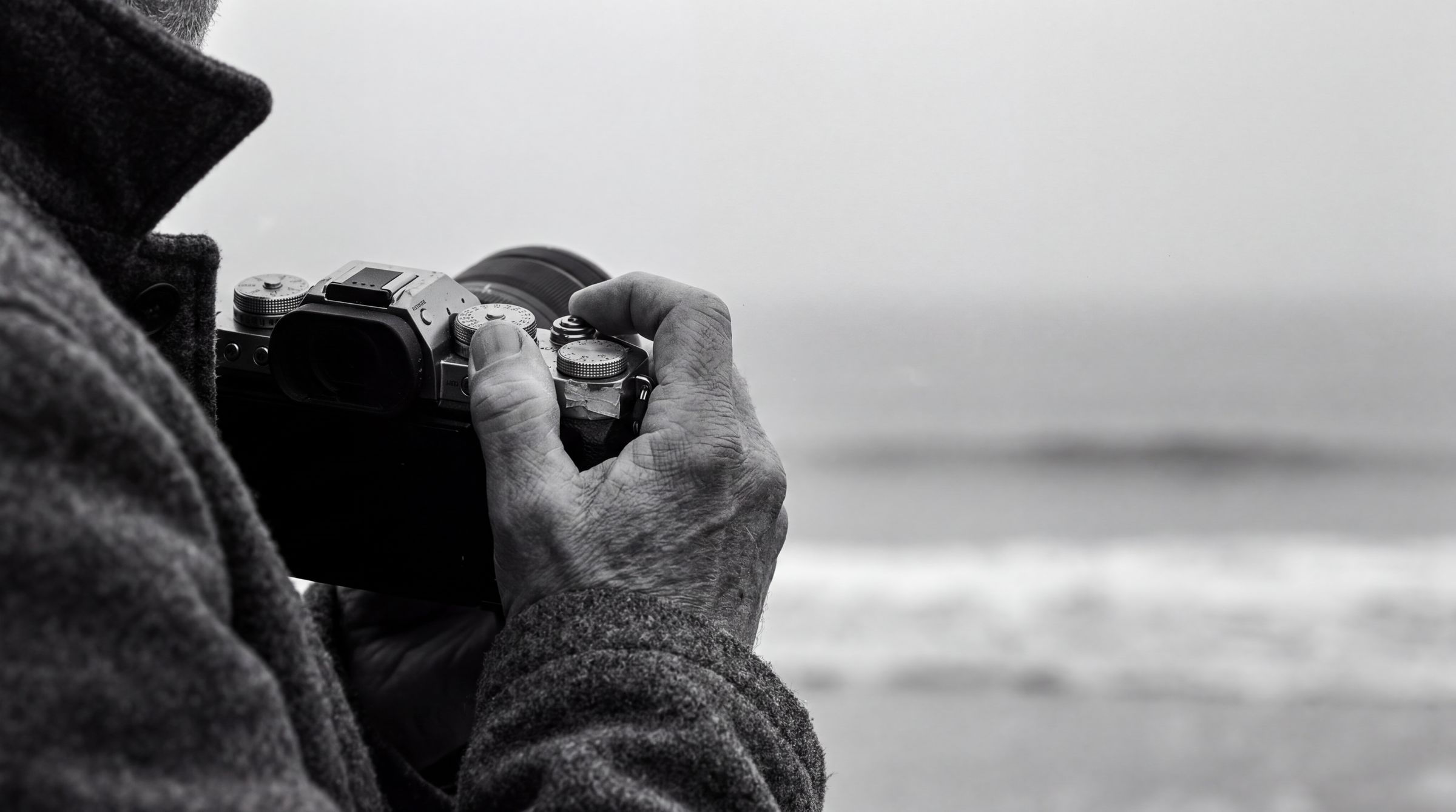
There is a word people use for what I do with a Fujifilm X-T5, and the word is wrong. They call the film simulation a filter. As if Classic Negative were a costume dropped over a finished frame. As if Acros were a slider I could have pushed the other way. The word smuggles in an assumption: that the photograph exists first, neutral and raw, and the look comes after. Reverse that assumption and you understand the whole argument. The look comes first. The photograph is built to serve it.
I shoot JPEG. No RAW backup, no safety net, no Lightroom catalogue growing in the dark like something I will deal with someday. Classic Negative for the street and the harbor. Acros when the light goes hard and I want the shadows to do the talking. Reala Ace when a scene asks for color that stays honest. When the shutter closes on the X-T5, the X Processor 5 renders the file and the photograph is finished. I do not intend to touch it again. Most photographers hear that and reach for the same word: reckless.
Deciding later is the disease. Shooting JPEG is the cure.
Start with who is doing the rendering, because it matters more than anyone admits. Fujifilm made film for over ninety years — founded 1934, and the emulsions that built the company are the same names now living on the sensor. Velvia. Provia. Astia. Neopan Acros. Superia. The color scientists who tuned those stocks on acetate are the lineage that writes the simulation profiles. When I dial in Classic Negative, I am not applying an app developer’s guess at what Superia looked like. I am getting Superia’s tonal logic from the people who made Superia. Acros is Neopan 100 — the highlight rolloff, the grain structure, the way the mid-tones carry weight. This is why the rendering holds together under pressure while a stack of preset sliders falls apart the moment the light gets complicated. One is a model of a real chemistry. The other is decoration guessing at a memory.
Now the mechanism, because this is where the filter argument dies. A filter is applied after the exposure. It meets the image when every decision has already been made — aperture, shutter, where you stood, what you let fall out of frame — and it paints over the result. A film simulation runs the other direction. It shapes the exposure. When Acros is loaded, I meter for its highlight rolloff. I place the shadows knowing Neopan’s density curve will deepen them. Classic Negative moves where I put a face in the tonal range because I know exactly how it renders skin at f/2. The look is upstream of the shutter. It changes how I expose, where I stand, what I decide is worth the frame. A filter cannot do that. A filter arrives too late to change anything but the surface.
This is film discipline, ported intact and lost by almost everyone who moved to digital. You loaded Tri-X or you loaded Velvia, and the instant the canister clicked into the body, the decision was made. There was no post. There was a developing tank and whatever you had the skill to capture. The look was locked, so you had to be good enough to shoot for it — expose for it, compose for it, wait for the light it wanted. The constraint removed the escape hatch, and removing the escape hatch is what made photographers. You could not fix it later because there was no later. There was only the frame in front of you and your ability to meet it.
RAW is the escape hatch rebuilt. Every RAW file is a decision postponed, and postponed decisions do not resolve — they accumulate. I know shooters with forty thousand undeveloped RAWs on a drive. A vault of maybes. Every frame a promise to finish later, and later never arrives, because later is where photographs go to die unmade. The camera did its job. The photographer never shipped. Real artists ship, and a photograph you never render is a photograph that does not exist.
Committing in-camera inverts all of it. You choose the look, you expose for it, you accept the frame, you move on. The photograph is done when you say it is done, and the only honest time to say it is now — at the moment of capture, when you were actually there, when the light was real and the decision cost you something.
A filter decorates a photograph that is already finished. A film simulation is the decision that finishes it — made before the shutter, paid for in commitment, and honored by shooting for the look instead of hoping to salvage it.
I do not keep my options open. Open options are unmade photographs.
Choose before the shutter. Then be good enough to have chosen.
More from this domain
25 Aug 2026
PhotographyThe Case for Printing
The screen is a proof. The print is the photograph. An image that only ever lived on glass is unfinished work — a mix you never bounced.
24 Jul 2026
PhotographyHow to Read Light
Reading light is a trained skill, not luck. You see the finished frame before you raise the camera — the same way you read a set before it stands up.
16 Jun 2026
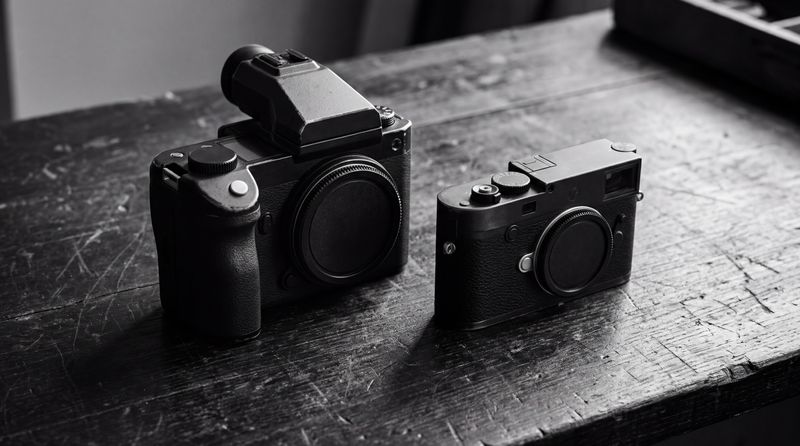
PhotographyThe GFX Question
The GFX 100S is not a better X-E5. It is a different instrument, and I keep the X-E5 anyway.